


Frameless vs Framed Cabinets: Which Is Better for Storage, Cost, and Longevity?
Choosing cabinets is one of the biggest decisions in any kitchen remodel. Homeowners often focus first on color, door style, or finish. But before any of that, there is a more important structural choice to make: frameless or framed cabinets.
At first glance, the difference may seem minor. Both can look beautiful. Both can work in traditional, transitional, or modern kitchens. Both can be built with quality materials and installed to last. But when you compare them side by side, the differences affect how much storage you get, how your kitchen feels, what you pay, and how the cabinets perform over time.
If you are planning a kitchen remodel and want a clean answer, here it is: neither system is automatically better in every situation. The right choice depends on your layout, design goals, budget, and how you use your kitchen every day.
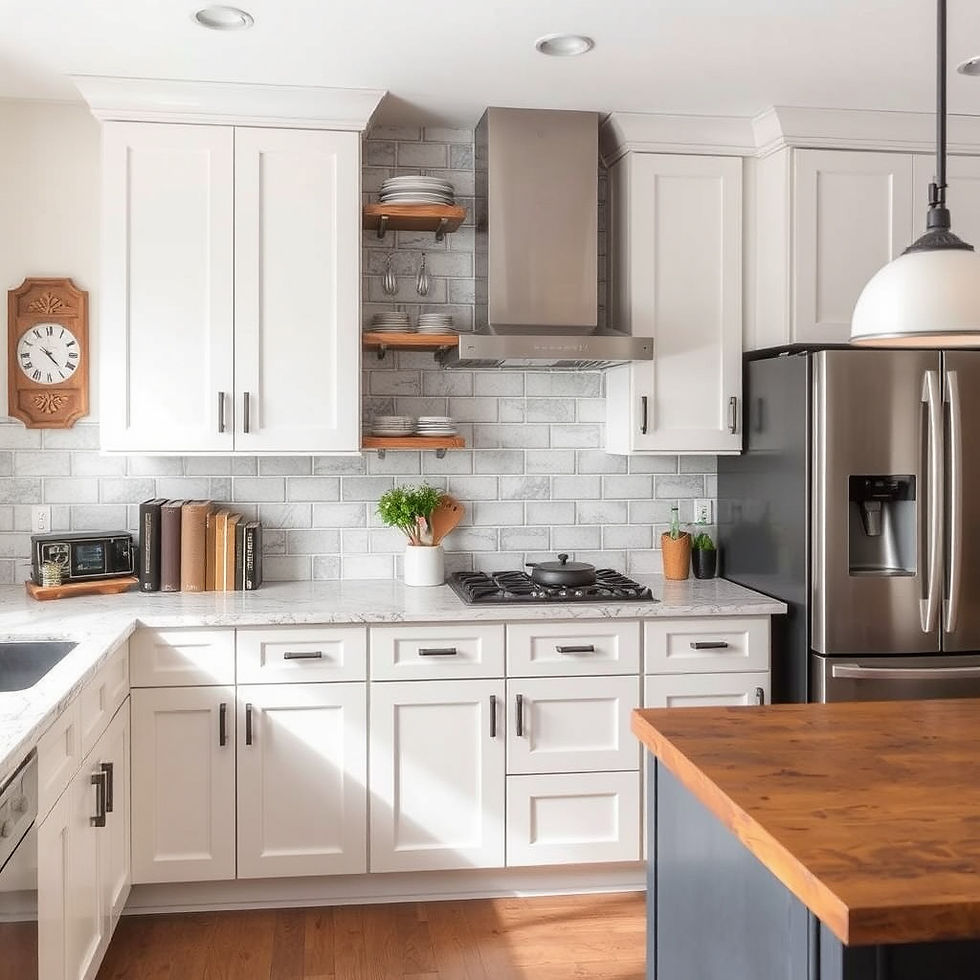
What is the difference between frameless and framed cabinets?
Framed cabinets are built with a front face frame attached to the cabinet box. That frame adds a visible structure around the opening of each cabinet. Doors attach to that frame, and the frame gives the cabinet a more classic, furniture-like construction.
Frameless cabinets skip that front face frame. The doors attach directly to the cabinet box, which creates a cleaner, more streamlined look. This style is often associated with modern European cabinetry, but it is now common in many kitchen designs, including transitional homes.
The difference sounds technical, but it changes the experience of the kitchen in several ways.
Which gives you more storage?
Frameless cabinets usually win when storage is the priority.
Because there is no front face frame taking up space at the cabinet opening, frameless cabinets offer slightly more accessible interior room. That can make a real difference in drawers, pull-outs, pantry units, corner storage, and base cabinets where every inch matters.
In smaller kitchens, that extra usable space can help the room feel more efficient. Wide drawers become easier to use. Pull-out organizers can function more smoothly. Large cookware, trays, and pantry items are often easier to access.
Framed cabinets can still provide excellent storage, especially when designed well. But the front frame slightly reduces the opening, which can limit access compared with frameless construction.
If your goal is to maximize function, especially in a compact kitchen, frameless cabinets often have the advantage.
Which style looks better?
This depends on the look you want.
Frameless cabinets are ideal for homeowners who want a clean, modern, minimal appearance. They create tighter lines, more consistent reveals, and a sleek overall feel. Flat-panel doors, slim shaker profiles, and integrated hardware all pair naturally with frameless construction.
Framed cabinets tend to feel more classic and traditional. They work beautifully in shaker kitchens, farmhouse spaces, transitional homes, and designs that lean warm, layered, or architectural. The face frame adds visual depth and can make cabinetry feel more custom in a traditional sense.
That said, the line between the two is not as rigid as it used to be. A frameless cabinet can still work in a warm, timeless kitchen. A framed cabinet can still look refined and updated. The better question is not which one looks better universally. It is which one better supports the design language of your home.

Which costs more?
There is no universal winner on price.
Many homeowners assume framed cabinets are cheaper because they are more traditional, or that frameless cabinets are more expensive because they sound more specialized. In reality, pricing depends on the manufacturer, materials, door style, finish, hardware, and installation complexity.
Frameless cabinets are often associated with modern, high-end European-style kitchens, so they can sometimes come with a higher price tag depending on the line you choose. But that is not always because they are frameless. It is often because they are paired with premium finishes, engineered storage systems, and upgraded hardware.
Framed cabinets can also become expensive quickly when you move into custom construction, detailed finishes, inset doors, decorative trim, and specialty accessories.
The more useful comparison is this:
If you want a simple, contemporary look with efficient storage, frameless cabinets often deliver strong value.
If you want a more detailed, classic kitchen with decorative touches, framed cabinets may justify the investment.
The right budget decision depends less on the label and more on the full cabinet package.
Which lasts longer?
Longevity depends more on build quality than on cabinet type alone.
A well-made frameless cabinet with quality materials, solid joinery, durable hardware, and professional installation can last for many years. The same is true of a well-made framed cabinet.
Framed cabinets are often praised for their rigidity because the face frame adds reinforcement to the front of the box. That added structure can be beneficial, especially in larger cabinets or in busy family kitchens that see constant use.
Frameless cabinets rely more heavily on precise manufacturing, thicker box construction, and strong hardware. When they are built well, they perform extremely well. When they are poorly built, flaws may show up faster because the system depends on accuracy.
So which lasts longer? In practice, the better-built cabinet lasts longer. Construction quality, material selection, drawer hardware, hinges, finish durability, and installation matter more than simply choosing framed or frameless.
Which is better for everyday use?
For daily convenience, many homeowners prefer frameless cabinets.
The wider openings, easy-access drawers, and streamlined layout tend to feel intuitive in modern kitchens. If you cook often, use deep drawers, or want fewer visual interruptions, frameless cabinetry can make the space feel easier to live with.
Framed cabinets appeal to homeowners who value a more classic construction style and like the visual structure the frame provides. Some people also prefer the familiar feel of traditional cabinet layouts, especially in homes with more formal or established architectural character.
This is why seeing both in person matters. What looks best online is not always what feels best in your home.

Which one is better for San Diego homes?
In many San Diego remodels, frameless cabinets are a strong fit.
They work especially well in open-concept homes, coastal interiors, modern remodels, and smaller kitchens where efficiency matters. Their clean lines pair naturally with the bright, airy, uncluttered look many homeowners want.
Framed cabinets remain an excellent option for transitional homes, traditional kitchens, and remodels where warmth, detail, and classic proportions are the priority. In the right setting, framed cabinetry can feel timeless and richly finished.
If your kitchen remodel is aiming for sleek, functional, and space-efficient, frameless is often the better choice.
If your goal is classic, layered, and architectural, framed may be the better fit.
So which should you choose?
Choose frameless cabinets if you want:
More accessible storage
A clean, modern look
Better use of tight kitchen space
Wide drawers and streamlined organization
Choose framed cabinets if you want:
A more traditional or transitional appearance
Added visual structure
A classic cabinet construction style
Decorative details and a furniture-like feel
For many homeowners, the final decision comes down to this: do you want your cabinets to feel sleek and efficient, or more classic and architectural?
Both can be beautiful. Both can perform well. The best choice is the one that matches your kitchen, your style, and how you actually live.
Final thoughts
Frameless vs framed cabinets is not just a design debate. It is a practical decision that affects storage, budget, workflow, and the overall character of your kitchen.
If you are trying to get the most function out of a smaller space, frameless cabinets often have the edge. If you are building a kitchen with a more traditional design language, framed cabinets may feel more natural.
The smartest move is not choosing based on trend alone. It is comparing real cabinet options, finishes, and layouts with a team that understands how design and function need to work together.
Ready to compare cabinet styles in person?
At Pure Cabinets, we help homeowners choose cabinet systems that look great, function beautifully, and fit the way they actually use their space. Whether you are drawn to sleek frameless European cabinetry or a more classic framed look, our team can guide you through the pros, pricing, layout options, and finish selections.
Visit our San Marcos showroom or contact Pure Cabinets today to schedule your design consultation and get expert help planning a kitchen that feels right from every angle.


Comments