


Choosing the Right Cabinet Materials: Solid Wood, MDF, and More
- Feb 9
- 3 min read
When planning a kitchen or bathroom remodel, cabinet style usually gets the spotlight—but what your cabinets are made of is just as important. Cabinet materials affect durability, long-term performance, and how well your investment holds up in everyday San Diego living.
In this guide, we’ll break down the most common cabinet materials used in kitchens and bathrooms—solid wood, MDF, plywood, and engineered cores—so you can confidently choose what makes sense for your home, lifestyle, and budget.

Understanding cabinet construction
Cabinets are made up of several components, and each can use a different material:
Cabinet boxes – The structural shell (sides, backs, shelves)
Doors and drawer fronts – The most visible elements
Face frames or frameless construction – Depending on cabinet style
Finish – Paint, stain, veneer, or laminate
Knowing which materials are used in each part helps you avoid overpaying for features you don’t need—or underinvesting where durability matters most.
Solid wood cabinets
Solid wood remains one of the most trusted and widely used cabinet materials, especially for doors and drawer fronts. Common species include maple, birch, and white oak.
Advantages of solid wood
Long-term durabilitySolid wood holds up well in busy kitchens and bathrooms when properly finished.
Natural beautyWood grain adds warmth and character, especially in stained finishes.
Design flexibilitySolid wood works well for both painted and stained cabinets, making it a versatile option.
Many homeowners who want a premium feel choose solid wood kitchen cabinets for their strength, appearance, and longevity.
Considerations
Wood naturally expands and contracts slightly with humidity changes.
Solid wood typically costs more than engineered materials.
In San Diego’s relatively mild climate, solid wood performs very well—especially when paired with proper ventilation and high-quality finishes.

Considerations
MDF must be sealed properly to protect against moisture.
It is heavier than solid wood and requires quality hardware.
For many painted kitchens and bathrooms, MDF doors combined with strong cabinet boxes offer excellent value and appearance.
Plywood cabinet boxes
Plywood is commonly used for cabinet boxes due to its strength and stability. It’s made by layering thin sheets of wood with alternating grain direction.
Why plywood is popular
Strong and rigidHolds screws well and resists sagging shelves.
Better moisture tolerancePerforms well around sinks and in bathrooms when sealed correctly.
Lighter than solid woodIdeal for wall cabinets and tall pantry units.
Plywood boxes paired with solid wood or MDF doors strike a smart balance between performance and cost.
Veneers, laminates, and finishes
Beyond the cabinet core, finishes play a major role in both appearance and durability.
Wood veneer – Real wood surface applied over a stable core
Laminate – Durable surface option common in modern designs
Thermofoil – Seamless finish wrapped over MDF, with quality varying by manufacturer
These options are especially popular in European-style and flat-panel cabinetry where consistency and clean lines are key.
What works best in San Diego homes?
San Diego kitchens and bathrooms face a mix of conditions: coastal air, everyday humidity, frequent use, and open-concept layouts. A proven combination for long-lasting results is:
Plywood cabinet boxes for structure
Solid wood or MDF doors depending on finish preference
Durable factory-applied finishes
Quality hardware with soft-close functionality
This approach supports both performance and design flexibility, making it ideal for San Diego kitchen and bathroom remodeling solutions focused on longevity.
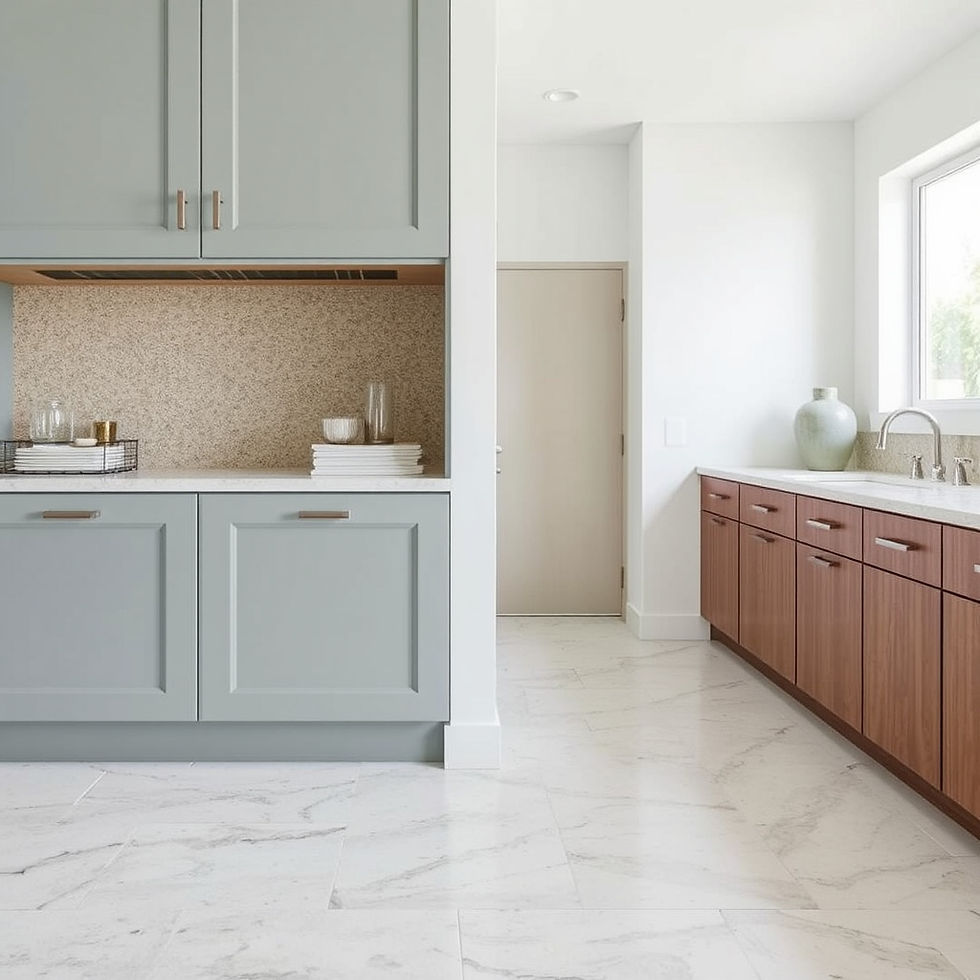
Matching materials to your design style
For stained or natural wood kitchens
Solid wood or veneer doors
Plywood cabinet boxes
Warm species like white oak or maple
Styles like white oak shaker cabinets are especially popular for homeowners who want warmth with clean, modern lines.
For painted kitchens
MDF or solid wood doors
Smooth, durable painted finishes
Neutral tones like white, off-white, and greige
For modern or European-inspired kitchens
Flat-panel MDF doors
Laminate or veneer finishes
Frameless cabinet construction
Key questions to ask before choosing materials
Before finalizing your cabinets, make sure you know:
What materials are used for the boxes and doors?
How are moisture-prone areas protected?
What finishes are applied and how should they be maintained?
What warranty covers the materials and construction?
Clear answers help ensure you’re investing in quality—not just appearance.
Final thoughts
Choosing cabinet materials is about balancing durability, style, and budget. Solid wood offers timeless strength, MDF delivers flawless painted finishes, and plywood provides dependable structural support. The right combination depends on how you use your space and how long you plan to stay in your home.
When materials are chosen thoughtfully and paired with professional design and installation, your cabinets will continue to look and perform beautifully for years to come.


Comments